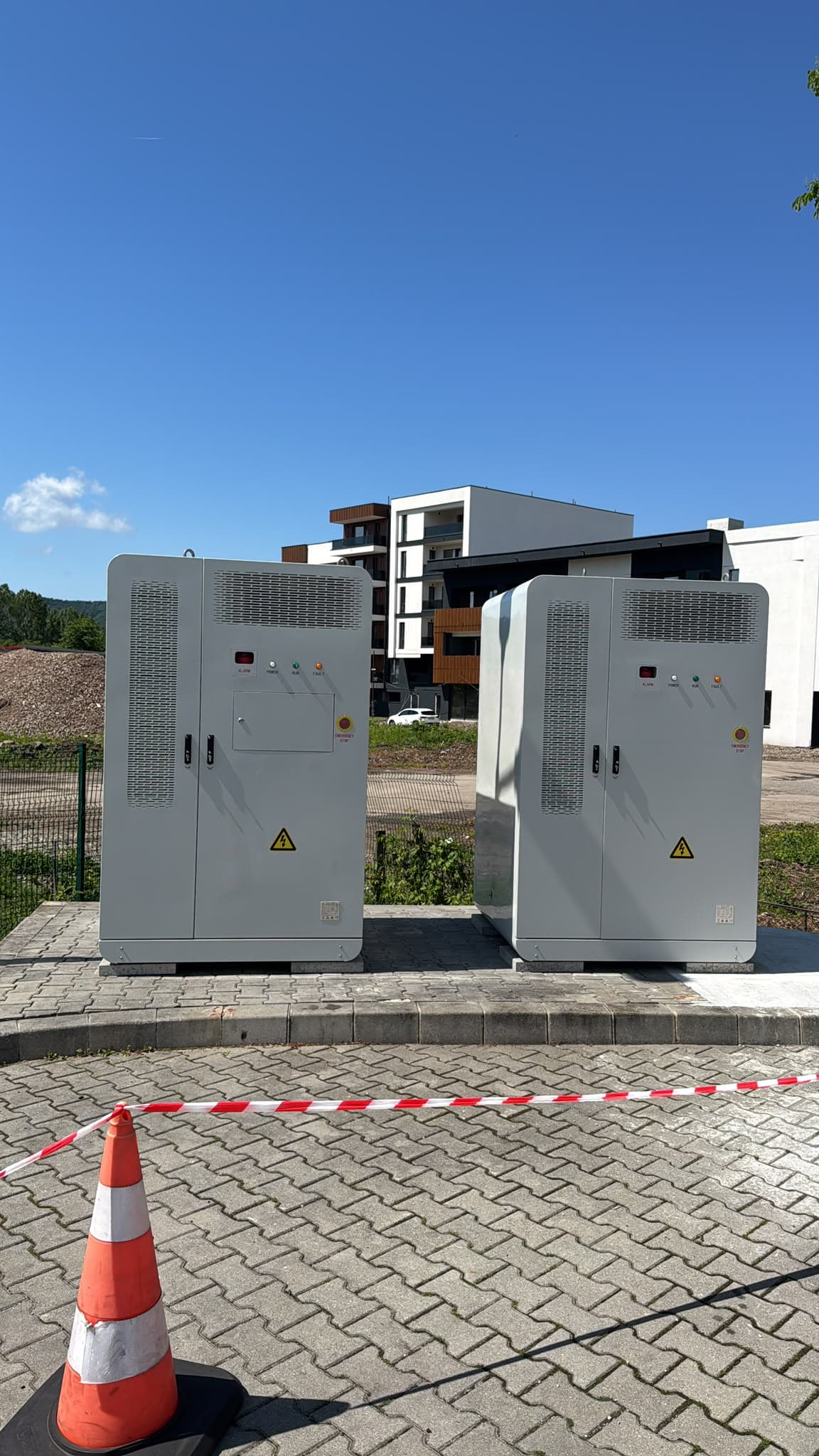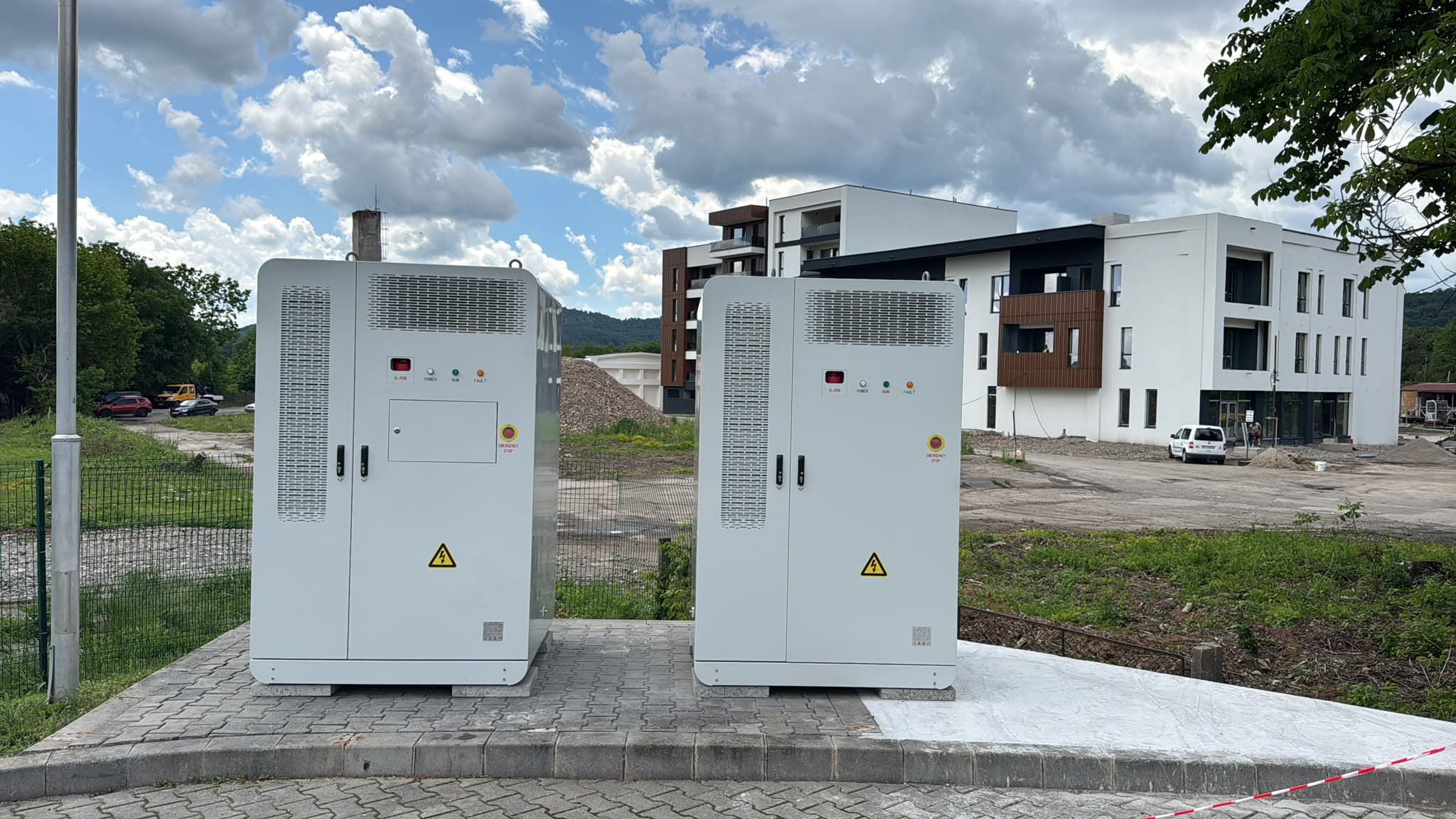
What is an industrial battery energy storage system (BESS)?
A BESS stores energy when it is cheap or in surplus and delivers it when it is expensive or unavailable. A single outdoor cabinet holds the battery, bidirectional inverter, BMS, EMS and liquid cooling — no dedicated technical room needed.
For companies this means three concrete things: arbitrage on day/night tariffs, shaving penalized consumption peaks, and automatic backup for processes that must not stop.
What your company gains
Two standard turnkey configurations
Installed and commissioned by our own team. For any other capacity from 100 kWh upwards, we configure to order.
Who is a BESS right for?
Prices include transport, installation, commissioning and training. 10-year warranty on battery cells. Expandable in parallel up to 20 cabinets.
Request a project analysisCATL cells, not anonymous cells
CATL LFP technology is the industrial standard for stationary storage. The difference versus generic or NMC cells shows in safety, lifespan and traceability.
CATL is the global leader in LFP cells and a supplier for Tesla, BMW, Mercedes-Benz, Volkswagen and Stellantis.
Full technical specifications
Official data from the SUNNIC / CATL datasheets and user manual — open the variant you are interested in.
Source: SUNNIC All-in-One EU datasheet and manual (2024), SUNNIC BESS brochure, VistaVerde offer. Full PDF documentation available on request.
What the price includes
How companies use it
What one unit produces in a day
A 254 kWh cabinet, at one cycle per day: you charge at night on a reduced tariff (red bars) and discharge at peak, when energy is expensive (green bars). The difference, in lei, is the daily arbitrage.
The system charges when energy is cheap and uses it when energy — or contracted power — becomes expensive.
Illustrative example at 1 cycle/day, indicative tariffs; final figures are established on your real consumption profile and tariffs.
Plus: peak shaving
Beyond arbitrage, the system limits the power peak drawn from the grid: it discharges the battery exactly during maximum-consumption moments, so you do not exceed your contracted power.
Peak shaving: grid draw capped at peak
Without storage, grid consumption follows the peaks (blue line). With storage, the system discharges the battery exactly at peak and caps the power drawn from the grid (green line). The blue area is the peak that is shaved.
Illustrative example; the capping level and penalty savings are established on your contracted power and real consumption profile.